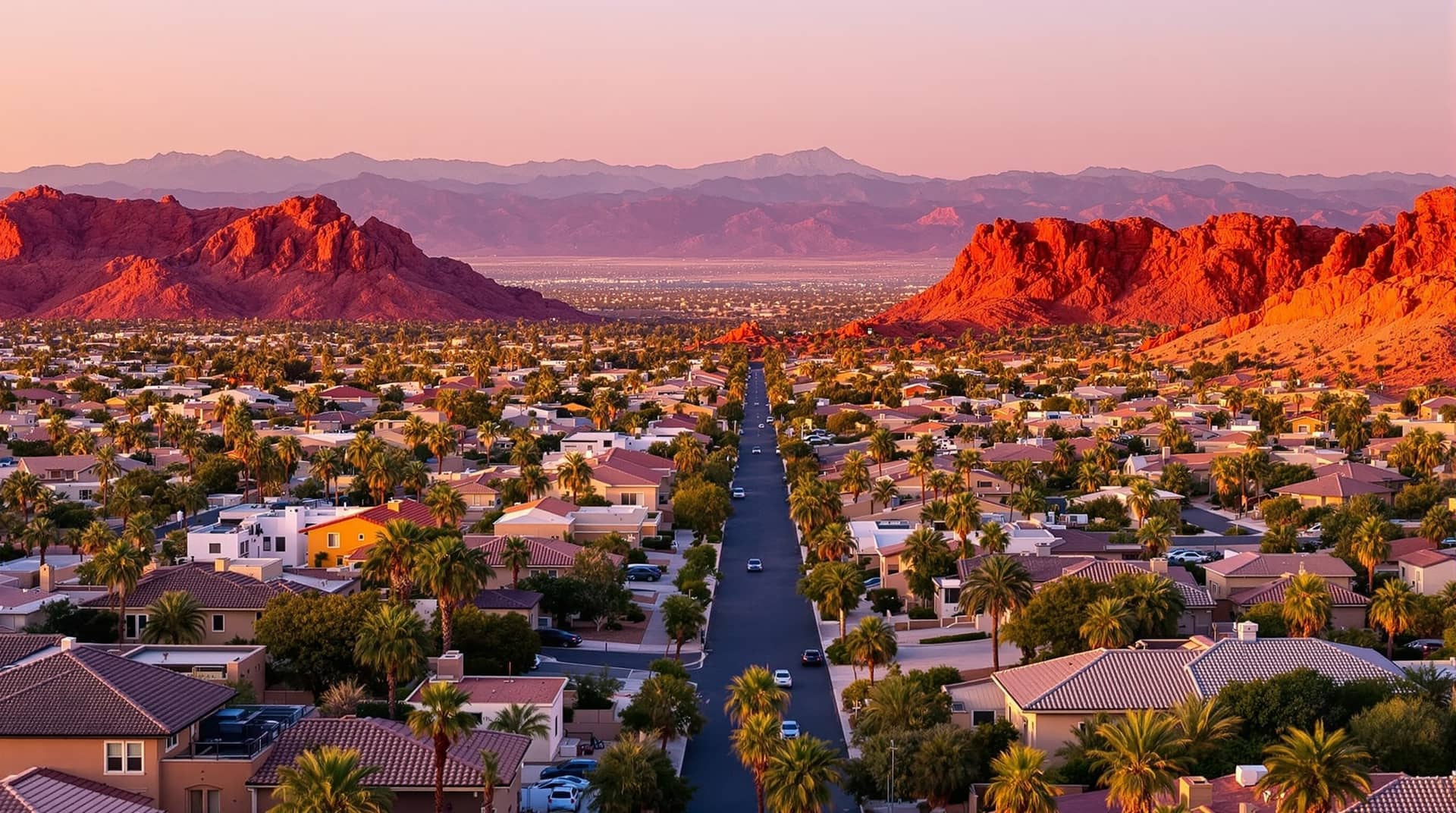
Welcome to Las Vegas! The boxes are (mostly) unpacked, the Strip is glowing in the distance, and the dry heat is already doing wonders for your sinuses. Now, it's time to get your life officially Nevada-fied. This isn't just about changing your address; it's about establishing domicile, navigating local systems, and avoiding bureaucratic headaches. This practical, step-by-step Las Vegas moving checklist will guide you through the critical first 90 days. Let's get you from "just moved" to "fully settled."
First Week: The DMV Dash (Your Legal Foundation)
You have 30 days from establishing residency to get a Nevada driver's license. "Residency" means you're here with the intent to stay; signing a lease or buying a home is a big clue. Don't procrastinate; this license is the golden ticket for everything else.
- Step 1: Gather Your Documents for a Nevada Driver's License. You'll need proof of identity (like a passport or out-of-state license), proof of your Social Security Number (SSA card or W-2), and two proofs of Nevada residency. This is key. Accepted documents include:
- A signed rental/lease agreement or deed/title to a home.
- A utility bill (electric, gas, water, sewer) with your name and new Las Vegas address. This is why setting up utilities fast is crucial.
- A bank statement or pay stub issued to your Nevada address.
- Step 2: Choose REAL ID or Standard. If you want to use your license to board domestic flights or enter federal facilities after the (perpetually delayed) deadline, get the REAL ID. It requires the document checklist above. The standard license is fine if you have a passport for those purposes.
- Step 3: Vehicle Registration & Smog Check. You must register your vehicle in Nevada within 30 days of moving. This is a separate transaction from your license. First, get a Nevada Emissions (Smog) Test. Testing stations are all over the valley. Most gasoline vehicles 1968 or newer need it. Then, take your smog certificate, out-of-state title, current registration, and proof of Nevada insurance to the DMV. Be ready to pay the Government Services Tax, which is based on your vehicle's value and can be a significant chunk of change.
- Step 4: Visit the DMV. Go to dmvnv.com to schedule an appointment. Walk-ins are accepted but be prepared for a long wait. The main office at 8250 W. Flamingo Rd. is often the busiest. Consider the offices in Henderson or North Las Vegas.
First Week: Power, Gas, Trash & Internet (The Utilities Scramble)
Getting the lights on and the Wi-Fi connected is priority zero. Las Vegas utilities are straightforward but vary slightly depending on if you're in city limits (Las Vegas, Henderson, North Las Vegas) or unincorporated Clark County.
- Step 1: Electricity with NV Energy. This is your primary utility. Contact NV Energy to start service. You'll need your new address, Social Security Number, and possibly a deposit if your credit isn't established. Set up auto-pay to manage the infamous summer AC bills. Website: nvenergy.com
- Step 2: Natural Gas with Southwest Gas. If your home has gas appliances (water heater, stove, furnace), you'll need an account with Southwest Gas. The setup process is similar. Website: swgas.com
- Step 3: Trash & Recycling with Republic Services. For most of the valley, Republic Services holds the municipal contract. Your city or HOA may include this service. If not, you must set it up. They provide large, wheeled bins for trash and recycling. Know your pickup day! Website: republicservices.com
- Step 4: Water & Sewer. This is location-dependent.
- City of Las Vegas: Las Vegas Valley Water District (LVVWD).
- City of Henderson: City of Henderson Water Department.
- City of North Las Vegas: City of North Las Vegas Utilities Department.
- Unincorporated Clark County: Often handled by the Las Vegas Valley Water District or a smaller utility district. Check your closing/rental documents or ask a neighbor.
- Step 5: Internet & Cable. You have options, but coverage varies street-by-street.
- Cox Communications: The dominant cable provider for most of the valley. Offers high-speed cable internet and cable TV.
- CenturyLink/Lumen: Provides DSL and, in select newer areas, fiber optic service.
- T-Mobile Home Internet / Verizon 5G Home Internet: Fixed wireless options that are gaining popularity. Great if you're in a good coverage zone and want to avoid contracts.
- Pro Tip: Check availability at your exact address before you commit. Promotional rates are common for new customers.
First Month: Legal & Administrative To-Dos
With the lights on and your Nevada license in hand, tackle these administrative tasks to fully transfer your life.
- Step 1: Update Your Address with USPS. Do this online at usps.com or at your local post office. It forwards your mail for a year. This is also a good proof-of-address document.
- Step 2: Register to Vote. Nevada has same-day voter registration, but get it done. It's a powerful proof of domicile. You can register online at the Nevada Secretary of State's website or when you get your driver's license.
- Step 3: Update Financial Accounts. Notify your banks, credit card companies, brokerages, and loan providers of your new address. Do this online or by phone. Don't forget about any digital subscriptions, magazine deliveries, or loyalty programs.
- Step 4: Find Local Healthcare Providers. If you have health insurance, log into your provider's portal and search for in-network doctors, dentists, and specialists in the Las Vegas area. Establishing care before you need it is wise. If you're on an employer plan, update your address with HR.
School Enrollment: Navigating the Clark County School District (CCSD)
If you have school-age children, enrolling them is a top priority. CCSD is the fifth-largest district in the nation, and the process is largely online.
- Step 1: Determine Your Zoned School. Use the CCSD School Zone Finder tool. Enrollment is typically based on your residential address.
- Step 2: Gather Required Documents. You will need:
- Proof of Identity/Age: Child's original birth certificate or passport.
- Proof of Immunization: Nevada immunization records (Form 1). If coming from out-of-state, have your previous records transferred or provide them to a Nevada healthcare provider to get the NV form.
- Proof of Residency: Two documents are required. A rental agreement/deed and a utility bill (NV Energy is perfect) are the standard combo.
- Withdrawal Papers/Transcript: From the previous school (helpful for proper grade placement).
- Step 3: Complete Online Registration. Go to the CCSD Online Registration portal. You'll create an account and fill out the forms. After submitting online, you will likely need to visit the school's registrar in person to finalize with your physical documents.
- Step 4: Explore Other Options (Open Enrollment/Charter/Magnet). CCSD has magnet schools for focused studies (STEM, arts, etc.) and an open enrollment period where you can apply to a school outside your zone. There are also many public charter schools. Research deadlines early, as these often involve lotteries.
California-Specific Steps: Cutting the Golden State Cord
For the many making the move from California, extra steps are required to formally sever tax residency and avoid future hassles.
- Step 1: Notify the California Franchise Tax Board (FTB). You must file a Part-Year or Nonresident California Tax Return for the year you move. The key is using Form 3840, California Resident or Part-Year Resident Income Tax Return, and clearly indicating your date of departure from CA and arrival in NV. Keep a copy forever.
- Step 2: Understand the "Safe Harbor" Rules. California may challenge your move if you maintain strong ties (see our Nevada vs California tax guide for the full picture) (business, property, family). To be safe, establish more ties to Nevada than California. Your NV license, registration, voter registration, and utility bills are your evidence.
- Step 3: Cancel California Vehicle Registration. Once your vehicle is registered in Nevada, you can (and should) cancel your California registration with the DMV. This stops any future renewal notices and further establishes your intent.
- Step 4: Update Professional Licenses. If you hold a CA professional license (nurse, contractor, real estate agent, etc.), you must contact the issuing board to update your address and, if you're practicing in Nevada, understand the process to obtain a Nevada license. Do not assume reciprocity.
90-Day Milestone: Confirming Domicile & Looking Ahead
By the three-month mark, you should be fully transitioned. Use this time to tie up loose ends and plan for the future.
- Step 1: Audit Your Domicile Evidence. You should now have a solid file proving Nevada residency: NV driver's license, vehicle registration, voter registration card, several months of utility bills, a Nevada bank statement, and possibly a Nevada-based pay stub. This is crucial for tax purposes.
- Step 2: Review Health Insurance. If you purchased insurance through Covered California, you must cancel it and enroll through Nevada's exchange, Nevada Health Link, during Open Enrollment or a Special Enrollment Period triggered by your move. Employer-based plans just need your address updated.
- Step 3: Estate Planning Update. Meet with a Nevada-licensed attorney to create or update your will, trust, power of attorney, and healthcare directives. State laws differ, and having Nevada documents ensures they are executed smoothly here.
- Step 4: Explore & Enjoy. You've done the paperwork. Now, go be a local. Find your favorite off-Strip restaurant, hike at Red Rock Canyon, catch a Golden Knights game, and learn that "The 95" and "The 215" are your new best friends and worst enemies during rush hour. You've earned it.
FAQ
Q: How long do I have to get a Nevada driver's license after moving? A: You have 30 days from the date you establish residency (e.g., move into your home with the intent to stay) to get your Nevada driver's license. Don't wait; it's the cornerstone document for everything else.
Q: Do I need to tell California I moved to Nevada? A: Absolutely, yes. You must file a final part-year resident California state tax return (Form 3840) for the year you move, clearly stating your date of departure. This officially notifies the California Franchise Tax Board (FTB) of your change in residency and helps prevent them from claiming you still owe California income tax.
Q: How do I enroll my kids in Clark County schools? A: Start by using the CCSD School Zone Finder online to find your assigned school. Then, gather the required documents: proof of your child's age (birth certificate), Nevada immunization records, and two proofs of your Las Vegas residency (like a lease and a utility bill). Complete the online registration on the CCSD website and then finalize the enrollment in person at the school.
Q: What utilities do I need to set up when moving to Las Vegas? A: The essential utilities are: Electricity (NV Energy), Natural Gas (Southwest Gas, if your home uses it), Water/Sewer (depends on your city: LVVWD, City of Henderson, etc.), and Trash/Recycling (typically Republic Services). You'll also need to choose an Internet provider (Cox, CenturyLink/Lumen, or a fixed wireless option). Set up electricity and internet first; you'll need them for almost every other task on this list.
Exclusive REAL702 Deals
Free moisture inspection + local homeowner coupons
Keep reading
- Moving from Arizona to Las Vegas: What Actually Changes in 2026An honest comparison of Phoenix vs Las Vegas: taxes, cost of living, jobs, schools, and what Arizona transplants are surprised to find.
- Moving from the Midwest to Las Vegas: The Honest Culture Shock GuideWhat Midwest transplants actually experience moving to Las Vegas: climate adjustment, cost of living, community differences, and what no one tells you.
- Moving from Texas to Las Vegas: Honest Comparison for 2026Taxes, housing, weather, and job market compared. What Texas transplants actually experience when moving to Las Vegas in 2026.
- Las Vegas Speed Traps: A Local's Guide to Not Getting a Ticket (July 2026)The Las Vegas roads where cops camp and speed limits drop without warning. Cactus Ave, Durango, the 215, and more, straight from residents who drive them daily.