
Quick Answer: Strip nightclub bartenders can earn $80,000-$150,000+ in a strong year. Strip hotel/casino bars pay $50,000-$80,000. Locals casino bars pay $35,000-$55,000. The realistic path to any of these: get your TIPS certification, start as a barback or cocktail server, and work your way up over 1-2 years. Minimum age is 21 in Nevada.
Bartending in Las Vegas: What It Actually Pays and How to Break In
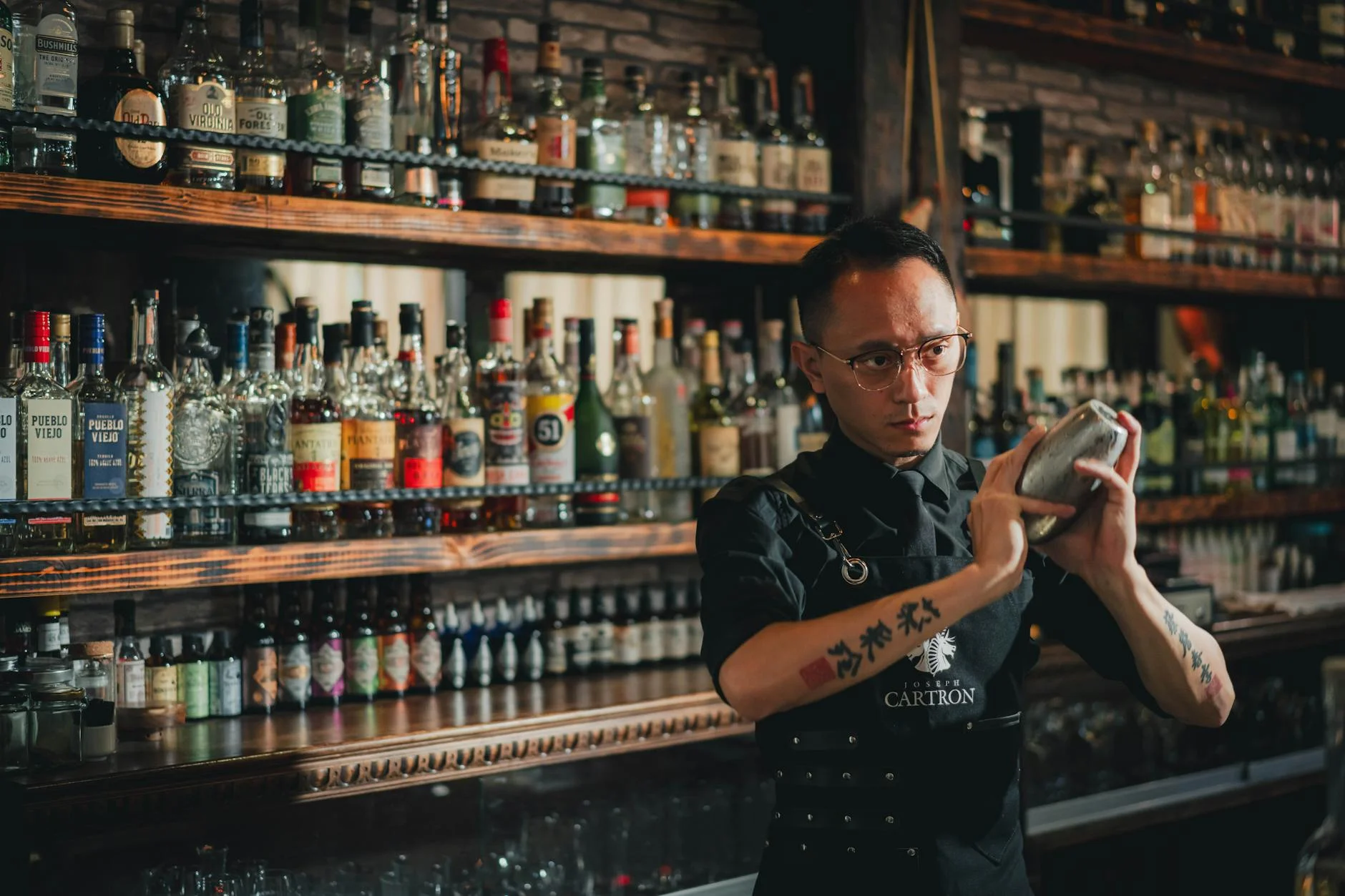
Photo by Marty Shih on Pexels
Everyone thinks bartending in Las Vegas is a shortcut to a life of easy money. You picture yourself shaking martinis to a thumping bassline, raking in piles of cash from generous tourists, and living the high life. The postcard version is compelling. The reality is a job like any other - with its own unique ladder to climb, physical demands, and a pay structure that can be wildly unpredictable. Let's strip away the glitter and talk about what it really takes to earn a living behind a bar in this city.
The Real Money: From Nightclub Riches to Steady Local Checks
Your income isn't just about where you work. It's about the venue type, the shift, the season, and one critical factor: the tip pool policy. Never take a job without understanding how the house handles tips.
At the very top of the pyramid are the Strip mega nightclubs. Think XS at Encore, Omnia at Caesars, Hakkasan at MGM Grand, and Marquee at The Cosmopolitan. Bartenders here can gross between $80,000 and $150,000 or more in a strong year. The keyword is "gross" - this is pre-tax cash tips plus an hourly wage that barely covers taxes. The money is life-changing. The job is a grind. You will work exclusively late nights, often until 4 or 5 a.m., in deafening noise, dealing with intense crowds, and maintaining impossible speed. These are the hardest positions in the city to land. You do not start here.
A more sustainable, yet highly lucrative, path is the Strip hotel and casino bar. This includes the main casino floor bars, sportsbooks, and lobby lounges at properties like Bellagio, Aria, Venetian, and Wynn. Here, bartenders typically earn a reliable $50,000 to $80,000 annually with tips. The hours are better, often with day and swing shifts available. Crucially, many of these properties are covered by the Culinary Union Local 226, which means health benefits, a pension, and job security. The trade-off is that you may be part of a large tip pool shared among all bar staff on your shift, which levels out your nightly take.
For many locals, the sweet spot is the off-Strip casino scene. Places like Red Rock Resort, Green Valley Ranch, South Point, and the Station Casinos properties offer bartending jobs paying between $35,000 and $55,000. The money is less flashy, but so are the headaches. Your commute is short, you build genuine relationships with regulars, and the work environment is generally less chaotic than the Strip. The schedules can be more family-friendly, and these positions are highly coveted for their stability.
Restaurant bartending off the Strip is a wild card. A bartender at a high-end steakhouse in Summerlin or a busy downtown spot like Carson Kitchen might pull in $60,000. Someone at a neighborhood Applebee's might clear $30,000. It varies wildly by concept, location, and clientele. Always ask about the tip-out structure from servers.
How to Actually Get Hired for Bartending in Las Vegas
You see the job posting for a bartender at a Caesars property. You have a great personality and made killer margaritas at your cousin's wedding. You will not get that job. The path here is almost always vertical, not horizontal.
Let's start with credentials. Bartending schools like the Professional Bartending School of Las Vegas or ABC Bartending exist. A course typically costs $300 to $800 and lasts a week or two. The honest truth? Most casino and nightclub hiring managers view these certificates with mild indifference. They teach recipes, not speed under pressure or how to handle a ten-deep bar at 1 a.m. They are not a magic ticket. However, they can be useful for learning basics if you have truly zero experience, and some smaller restaurants may look favorably on them.
One certification you absolutely must have is the TIPS card. TIPS (Training for Intervention Procedures) is a state-mandated program for anyone serving alcohol in Nevada. It teaches you how to spot fake IDs, recognize intoxication, and handle difficult situations. You can get certified online or in person for about $50. No bar manager will even interview you without it.
The real path? For the vast majority of Vegas bartenders, it starts in a support role. You become a barback - the bartender's assistant: changing kegs, restocking liquor, cutting fruit, and cleaning everything. It's hard, physical work with lower pay, but it is the single best way to learn the system, prove your work ethic, and get noticed. The other common entry point is as a cocktail server. You learn the property, the POS systems, and how to interact with customers under pressure. Bartending sits within a much larger career ecosystem; for context on how it fits alongside dealing, hotel operations, and F&B management, the overview of Las Vegas hospitality careers is worth reading before you commit to a path.
After six months to two years of excelling in a support role, an opening may come up. You will still likely have to audition.
The Power of the Culinary Union
The Culinary Union, UNITE HERE Local 226, is a dominant force in Las Vegas hospitality. Almost every major Strip property has unionized food and beverage staff. For a bartender, being in the union means a guaranteed higher hourly wage (often over $15 an hour before tips), a strong health and pension plan, and clear rules for shift bidding and promotions based on seniority.
The trade-off is that tip pooling is almost universal in union houses. Your nightly tips go into a pool divided among all bartenders and barbacks based on hours worked. This creates consistency and prevents one bartender from hoarding the "best" station, but it can frustrate high performers who feel they could earn more solo. Non-union bars, like many off-Strip restaurants and some nightclubs, often let you keep your own tips, but without the benefits package and job security.
To get a union bartending job, you usually must first get hired into a union property in any position, often through a union hiring hall. Then you work your way up internally when a bartender position is posted. It is a system based on patience and seniority.
The Stuff Nobody Talks About
The money can be good. The cost is real. You will work on your feet for 8 to 12 hour shifts. Your back, knees, and feet will take a beating. You will work every weekend, every holiday. Your social life will become what happens on a Monday or Tuesday afternoon. For nightclub workers, you will live on a reverse schedule, sleeping while the sun is up. It can be isolating. The one perk of those off hours: Las Vegas has genuine 24-hour dining options that cater to shift workers, and the guide to the best 24-hour restaurants is worth bookmarking for when you get off at 4 AM and need a real meal.
The audition process is another hurdle. When you finally get a shot at a bartending tryout, you will be tested. A supervisor will often give you a list of 5 to 10 specific cocktails. You will have to make them correctly, in the right glass, with proper garnishes, under a time limit. They are testing your composure and muscle memory as much as your knowledge.
Understand the seasonality. The famous Vegas money is not consistent year-round. The gold rushes happen during major conventions like CES in January, big fight weekends, and around New Year's Eve. A bartender can make a month's rent in one weekend during these peaks. Conversely, the dead of summer on the Strip can be surprisingly slow, with tips dipping as tourists flee the heat. Locals casinos are often more consistent month to month.
And forget what you saw in "Cocktail." Flair bartending with bottle flipping and fire is a niche skill required at only a handful of dedicated venues like the Carnival Court at Harrah's. For 99% of bartending in Las Vegas, managers want two things: blinding speed and pinpoint accuracy. Keep the bottles on the rail, not in the air.
More from Real702
- Culinary Union Las Vegas: How to Join and What You Get
- How to Get a Casino Job in Las Vegas
- Strip vs Off-Strip Jobs: The Real Difference
FAQ
What is the minimum age to bartend in Nevada? You must be at least 21 years old to serve or handle alcoholic beverages in the state of Nevada. This is a non-negotiable legal requirement.
Do I need a health card to bartend in Las Vegas? Yes. Anyone handling food or drink in Clark County must obtain a Health Card from the Southern Nevada Health District. This involves a short course on food safety and a fee. Your employer will usually direct you on how to get one after you are hired.
How long does it take to go from zero experience to a Strip bartender? There is no fixed timeline, but you should expect a multi-year journey. A realistic path is: get your TIPS certification, secure a barback or cocktail server position at a major property (which could take months of applying), excel in that role for 1 to 2 years to build seniority and skill, then successfully audition for an internal bartender opening when one arises. Walking directly into a Strip bartending job with no prior Vegas experience is extremely rare.
Is the money really as good as people say? It can be, but with major caveats. The high-end figures of $100,000+ are real for a small number of bartenders in elite nightclubs and top-tier Strip bars. However, that income is heavily dependent on cash tips, which fluctuate with season, day of week, and the event calendar. It is pre-tax income, and you must be disciplined about saving for taxes. For most, a more realistic expectation is $50,000 to $80,000 at a union Strip property or $35,000 to $55,000 at a locals casino.
Is bartending school worth it in Las Vegas? It is not a requirement and will not guarantee you a job. If you are a complete beginner with no knowledge of basic drink recipes, bar tools, or terminology, a short course can provide a foundational confidence boost. However, most hiring managers in casinos and high-volume venues prioritize real-world experience and speed over a certificate. Your money and time might be better spent getting your TIPS card and applying for barback positions to start learning on the job.
Find Restaurant and Bar Jobs
Looking for open positions? Browse our Las Vegas Job Board for thousands of local listings updated daily. View Restaurant jobs →
Keep reading
- Real Cost of Working on the Las Vegas Strip (2026)Strip jobs pay more on paper. But gas, parking shuttles, food, and lost time change the math. We break down the real numbers.
- Las Vegas Jobs for Career Changers Over 40 (2026)Relocating to Vegas in your 40s or 50s? The real career paths that work for mid-life career changers - from dealing to trades to real estate.
- Side Hustles That Actually Work in Las Vegas (2026)Real side hustles that pay in Las Vegas - mobile notary, pool cleaning, detailing, reselling. What locals actually do for extra money.
- Strip vs Off-Strip Jobs in Las Vegas: Real ComparisonStrip casino jobs pay more on paper. But commute, parking, and schedule costs change the math. Honest comparison for Las Vegas workers.