
Quick Answer: Journeyman electricians in Las Vegas earn $62,000-$94,000. Plumbers earn $58,000-$87,000. HVAC techs can hit $80,000-$100,000+ with summer overtime. All three trades have formal apprenticeship paths through IBEW Local 357, UA Local 525, and ABC Nevada. California licenses don't transfer - you must get Nevada licensing separately.
Trades Jobs in Las Vegas: What Electricians, Plumbers, and HVAC Techs Actually Earn
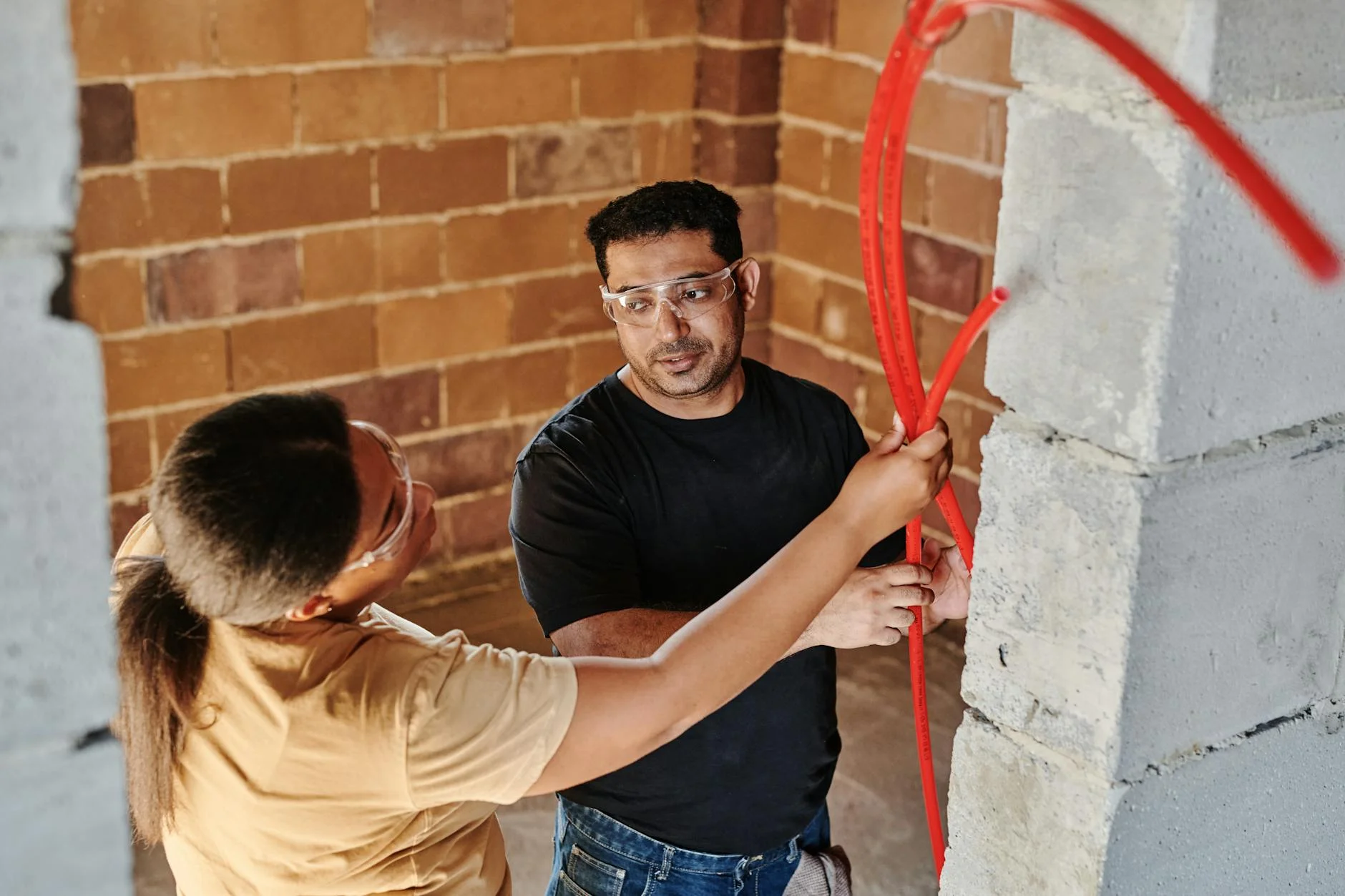
Photo by Mikael Blomkvist on Pexels
The air isn't the only thing that's hot in Las Vegas. Trades jobs in Las Vegas are on fire. As cranes dot the skyline from the Strip to Summerlin, a quiet crisis is building: a severe shortage of skilled electricians, plumbers, and HVAC technicians. For locals considering a stable, well-paying career without a four-year degree, the opportunity for trades jobs in Las Vegas has never been more real. But what do these jobs actually pay? And how do you break in?
Electricians: Journeyman Pay and the Solar Boom
If you want to see constant demand, follow the wires. Every new house, commercial building, and data center needs an electrician to bring it to life. In Clark County, a licensed journeyman electrician can expect to earn between $30 and $45 per hour - that translates to an annual income of roughly $62,000 to $94,000 for full-time work, before overtime which is often plentiful.
The path typically starts as an apprentice. A first-year apprentice in a program like the IBEW Local 357 might start around $17 to $20 per hour, which is about 40-50% of the journeyman rate. But that pay scales up every year as you complete classroom and on-the-job training. By year five, you could be earning $30+ per hour as you prepare for your licensing exam. The IBEW program is highly competitive, combining paid work with classes at their training center. A non-union path is available through associations like ABC Nevada, which also offers earn-while-you-learn apprenticeships with various electrical contractors.
A major factor juicing demand is the solar boom. Nevada's push for renewable energy means electricians with solar installation experience can command a premium. This specialty has created a significant spike in need, pulling workers into both residential and large-scale commercial solar farms.
Plumbing: The Backbone of Every Build
Plumbing is the backbone of any construction project or repair call. A journeyman plumber in Las Vegas earns a comparable wage to an electrician, with averages ranging from $28 to $42 per hour ($58,000 to $87,000 annually). The split between residential and commercial work matters. Commercial jobs on big projects often pay more and are more likely to be unionized, while residential service and repair can offer more varied daily routines and customer interaction.
The premier training route is the UA Local 525 apprenticeship. It's a five-year program that mixes hands-on work with classroom instruction. Starting wages are similar to electrical apprentices, with steady increases. For those going non-union, you must register as an apprentice with the Nevada State Contractors Board and log the required hours under a licensed contractor. The ultimate goal is your own license, which requires passing exams and proving experience. New construction plumbing often pays a set rate, while service and repair work can be more lucrative per job - especially for emergency calls.
HVAC: The Most In-Demand Trade in the Desert
This is arguably the most in-demand trade in Southern Nevada. Simply put, AC isn't a luxury here. It's a survival tool. The relentless summer heat destroys units, creating a non-stop wave of service, repair, and replacement work from June through September. This seasonal spike means skilled HVAC technicians can clear $80,000 to $100,000 or more with overtime.
Training can be faster than other trades. You can complete a certificate program at the College of Southern Nevada in about 6-9 months to get started as a helper. However, a full apprenticeship through a union or a quality employer typically takes 3-5 years and leads to higher earning potential. Nevada requires a license for HVAC work, which involves passing a trade and business law exam. The rapid training timeline and extreme seasonal demand make this a compelling fast-track to a solid income. Techs who specialize in commercial refrigeration or complex building management systems can earn even more.
Why Las Vegas Construction Is Booming Right Now
The construction boom isn't accidental. It's driven by major projects that defined the Raiders stadium era, including Allegiant Stadium itself and surrounding developments. New casino resorts like the Fontainebleau and renovations across the Strip create constant demand. Beyond tourism, the growth of data centers for companies like Switch and massive warehouse distribution centers are huge electrical and mechanical projects. Residential expansion continues unabated in the southwest valley, Henderson, and North Las Vegas.
This boom has drawn attention from out of state. A notable trend is California-licensed tradespeople relocating. They come for Nevada's lower cost of living while often earning wages comparable to or exceeding what they made back home. However, a California license does not transfer directly. You must obtain Nevada licensing - a point covered in the FAQ below.
Where to Get Trained in Southern Nevada
You have clear local options. The College of Southern Nevada offers foundational certificate and degree programs in electrical technology, plumbing, and HVAC at their campuses in Charleston, North Las Vegas, and Henderson. These programs provide the technical knowledge to enter the field as a helper or to bolster an apprenticeship application.
For the earn-while-you-learn model, apply directly to union apprenticeship programs. The IBEW Local 357 for electricians and UA Local 525 for plumbers and pipefitters are the main hubs. Their programs are rigorous but set you on a clear path to high wages and benefits. The Associated Builders and Contractors of Nevada (ABC Nevada) offers a competitive non-union apprenticeship alternative, working with a network of contractors across all trades.
What Nobody Tells You About Trades Jobs in Las Vegas
Trades are one of the most practical paths for career changers in their 40s and 50s. The Las Vegas jobs over 40 guide specifically looks at how prior professional experience translates to apprenticeship applications and which trade programs are most receptive to older entrants.
The money is real, but the challenges of trades jobs in Las Vegas are too. First, the heat. Working in an attic or on a roof in 115-degree Fahrenheit weather is brutal and dangerous. Proper hydration and company safety protocols are non-negotiable. Second, Las Vegas has a historical boom-bust construction cycle. While the current boom is diversified beyond just casinos, it's wise to save during busy periods and be prepared for potential slowdowns. Building a diverse skill set - like an electrician learning solar or an HVAC tech learning refrigeration - provides insulation against slowdowns.
Finally, there is a major ceiling if you don't get licensed. Working forever under someone else's contractor's license limits your income and control. Getting your Nevada State Contractor's License is the key to starting your own business, bidding on projects, and maximizing your earnings. For homeowners navigating this world and looking for vetted local professionals, a dedicated directory like VegasRebuild.com can be a useful resource to find reliable, licensed contractors for repair or renovation projects.
More from Real702
- How to Get a Casino Job in Las Vegas
- Best Companies to Work For in Las Vegas
- Nevada LLC: How to Start a Business in Las Vegas
FAQ
Do California or other state trade licenses transfer to Nevada? No, they do not transfer directly. Nevada has its own licensing requirements through the Nevada State Contractors Board. If you hold a license from another state, you may get credit for some experience, but you must still apply for a Nevada license, meet Nevada's specific experience thresholds, and pass the Nevada law and trade exams. It is not an automatic reciprocity process.
What is the real pay difference between union and non-union? Union jobs (IBEW, UA) typically have set wage scales with guaranteed pay increases, strong benefit packages including pension and health insurance, and structured overtime pay. Total compensation packages often exceed $70-$90 per hour when benefits are factored in. Non-union pay can be more variable - some non-union shops may offer a higher hourly wage but fewer benefits, while others pay less. Overall, union total compensation is usually higher and more standardized, but non-union paths can offer faster entry.
How long does it take to go from zero to journeyman? A formal apprenticeship program for electricians, plumbers, and HVAC technicians typically lasts 4 to 5 years. This includes the required 8,000 hours of on-the-job training and related classroom instruction. After completing the apprenticeship, you can sit for your journeyman or contractor licensing exams. Some accelerated certificate programs can get you working as a helper in under a year, but reaching full journeyman status still requires logging the necessary hours.
Is the work steady year-round in Las Vegas? It depends on the trade and specialty. New construction can have seasonal fluctuations and can be impacted by economic cycles. However, service and repair work for plumbing and HVAC remains steady, with HVAC experiencing an intense summer surge. Electrical work sees steady demand across construction, maintenance, and specialty fields like solar. Diversifying your skills is the best way to ensure year-round work.
What is the first step to getting started? Contact the training providers. Reach out to the College of Southern Nevada's trade program advisors to explore certificate options. Simultaneously, research the apprenticeship programs - visit the websites for IBEW Local 357, UA Local 525, and ABC Nevada to understand their application cycles, which often include aptitude tests and interviews. Many people start as a helper or laborer for a local contractor to get a feel for the work before committing to a multi-year apprenticeship.
Find Construction and Trades Jobs
Looking for open positions? Browse our Las Vegas Job Board for thousands of local listings updated daily. View Construction jobs →
Keep reading
- Bartending in Las Vegas: Real Pay and How to StartWhat Las Vegas bartenders actually earn at Strip clubs, casino bars, and locals spots. How to get hired, what training you need, and the honest math.
- Real Cost of Working on the Las Vegas Strip (2026)Strip jobs pay more on paper. But gas, parking shuttles, food, and lost time change the math. We break down the real numbers.
- Las Vegas Jobs for Career Changers Over 40 (2026)Relocating to Vegas in your 40s or 50s? The real career paths that work for mid-life career changers - from dealing to trades to real estate.
- Side Hustles That Actually Work in Las Vegas (2026)Real side hustles that pay in Las Vegas - mobile notary, pool cleaning, detailing, reselling. What locals actually do for extra money.